If you’ve been shopping for early-learning programs, you’ve probably seen “preschool” and “pre-K” used almost interchangeably. They’re related, but they’re not the same thing. Preschool and pre-K describe different ages and different goals, and knowing which one your child needs makes touring programs a lot less confusing.
Quick answer
Preschool generally serves children around ages 2½ to 4, focusing on play, social skills, and early foundations. Pre-K is the year right before kindergarten, usually for 4- and 5-year-olds, and it leans harder into kindergarten readiness. Think of pre-K as the final step on the preschool ladder.
What is preschool?
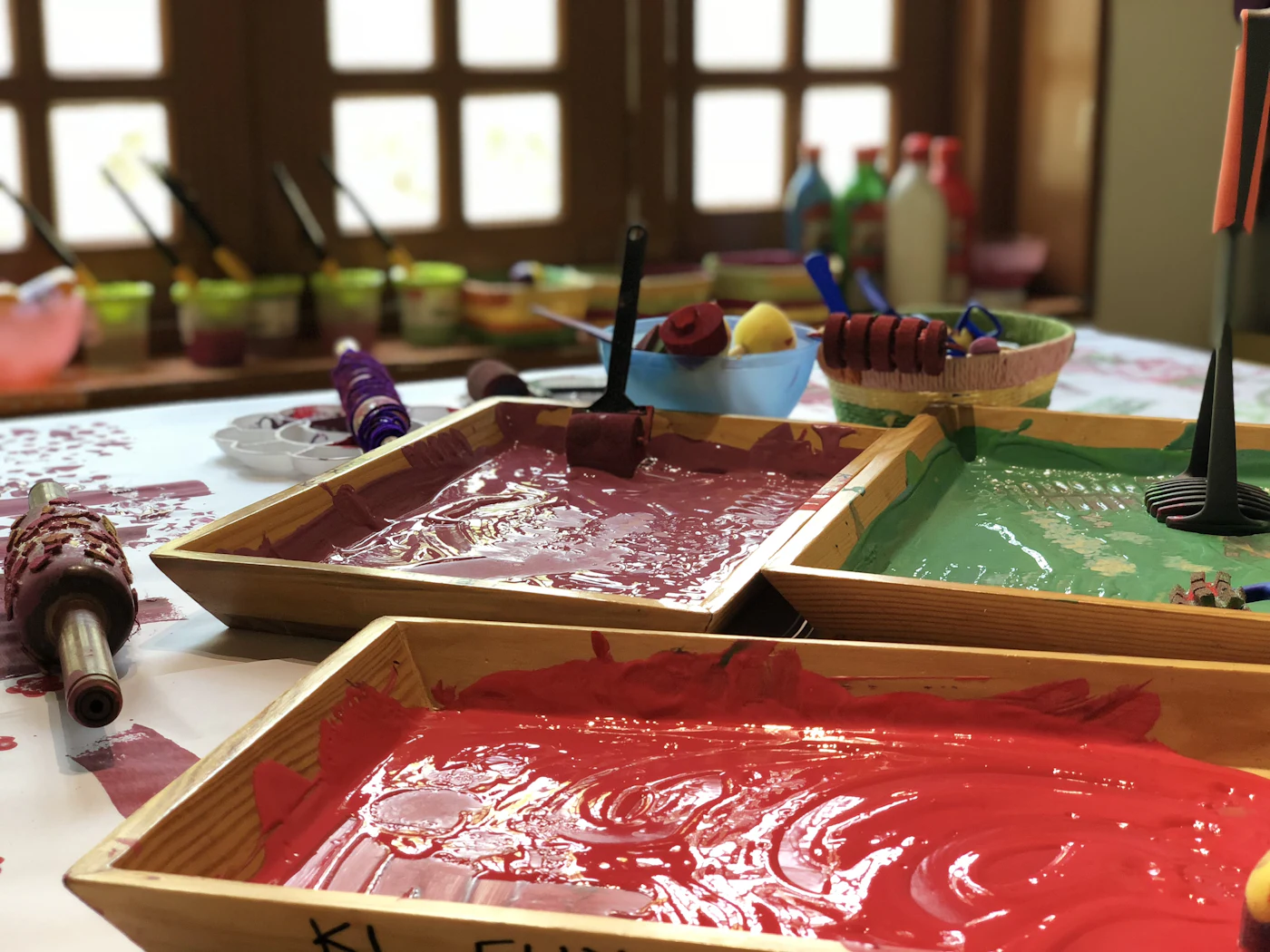
Preschool is where a lot of kids have their first regular experience away from home in a group setting. The days are built around play, because that’s how young children learn best at this age. A typical morning mixes circle time, songs, story time, art, outdoor play, and plenty of chances to practice sharing and taking turns.
The main focus in preschool is social and emotional development. Kids learn to separate from a parent at drop-off, follow simple routines, use their words, and get along with classmates. Early academics show up too, but gently, through counting games, letter recognition, and lots of hands-on exploration.
What is pre-K?
Pre-K builds directly on preschool. Children are usually 4 or turning 5, and the year is aimed squarely at getting them ready for kindergarten. That means more structured group instruction and a bigger dose of pre-reading, early writing, and math, while still keeping play and creativity in the mix.
You’ll notice the day starts to look a little more like “real school.” There’s more sitting together for a lesson, more following multi-step directions, and more practice with the independence skills kindergarten expects. Pre-K is more structured than preschool, but it’s still developmentally appropriate and hands-on. Nobody’s handing your 4-year-old a stack of worksheets and calling it a day.
Key differences at a glance
| Preschool | Pre-K | |
|---|---|---|
| Typical age | ~2½ to 4 | 4 to 5 |
| Primary focus | Social-emotional, play | Kindergarten readiness |
| Academics | Introduced gently | More structured pre-reading, writing, math |
| Day structure | Play-centered | More group instruction |
| Comes before | Pre-K | Kindergarten |
Which is right for your child?
Age is your first clue, but it isn’t the whole story. A younger 3-year-old who’s still working on separating from mom and dad will thrive in a play-rich preschool room. A 4-year-old who’s counting to 20, recognizing letters, and asking “when do I get to go to big-kid school?” is probably ready for the extra structure of pre-K.
Watch your child, not just the calendar. Are they curious about letters and numbers? Can they sit for a short group activity? Do they handle routines and transitions without falling apart? Those readiness signals matter as much as a birthday. A good program will help you place your child in the room that fits, and adjust if they need more time.
Preschool & pre-K programs at ABC (Temecula)
At ABC Child Care, we’ve been guiding Temecula Valley families through these exact decisions for more than 40 years. Our preschool program grows with your child, and our private transitional kindergarten bridges that last stretch before kindergarten. With low teacher-to-child ratios and NAEYC accreditation standards at both of our centers, your child gets attention that matches where they are.
The best way to know which room fits is to see it. Schedule a tour and we’ll walk you through it.
FAQ
Is pre-K mandatory?
No. In California, preschool and pre-K are both optional. The state doesn’t require any formal schooling until a child turns 6, at which point school enrollment becomes compulsory. So there’s no legal requirement to send your child to preschool or pre-K, though many families choose these programs to ease the transition into kindergarten and build early social and academic skills.
Can my child skip preschool and go straight to pre-K?
Sometimes, yes. Because neither program is mandatory, placement usually comes down to age and readiness rather than a required sequence. A child who’s already comfortable in group settings and hitting early milestones may move straight into pre-K. If your child hasn’t spent much time away from home, though, a year of preschool first often makes the jump to pre-K and then kindergarten a lot smoother.
Is there a cost difference between preschool and pre-K?
At a private center, tuition depends on the program, schedule, and hours you choose rather than the label “preschool” versus “pre-K.” California does offer a free public option for many 4-year-olds through Transitional Kindergarten, which is available at no cost to families. We’re happy to walk you through your options, including tuition assistance, when you tour.
Sources
- California Department of Education, Universal PreKindergarten FAQs — TK eligibility, cost, and that TK is not mandatory: https://www.cde.ca.gov/ci/gs/em/kinderfaq.asp
- California Department of Education, Kindergarten in California — compulsory education begins at age 6: https://www.cde.ca.gov/ci/gs/em/kinderinfo.asp
- Bright Horizons, Preschool vs. Pre-Kindergarten: What’s the Difference? — age ranges and developmental focus: https://www.brighthorizons.com/article/education/preschool-vs-pre-kindergarten-what-is-the-difference
- New Horizon Academy, Preschool vs Pre-K — social-emotional vs. kindergarten-readiness focus: https://newhorizonacademy.net/preschool-vs-prekindergarten/